Can PSPs Use White-Label Infrastructure?
Can PSPs use white-label infrastructure to launch faster, control payment operations, improve approvals, and expand fast across markets without rebuilding?
A PSP that waits to build every payment capability internally can lose 12 to 24 months before it reaches a competitive operating position. Meanwhile, merchants still need local payment methods, reliable routing, reconciliation, fraud controls, reporting, and support. So, can PSPs use white-label infrastructure? Yes - and for many new, expanding, or vertical-focused PSPs, it is the commercially rational route to market.
White-label infrastructure does not mean handing the customer relationship to another brand. It means deploying a payment operating environment under the PSP's own name, domain, visual identity, commercial terms, and merchant workflows. The PSP retains its market position while avoiding the cost and execution risk of building a gateway, provider network, risk stack, and operations layer from zero.
Can PSPs Use White-Label Infrastructure Without Losing Control?
They can, provided the infrastructure model is designed for operational control rather than simple payment forwarding. A credible white-label platform gives the PSP control over merchant onboarding, payment method configuration, transaction routing rules, fees, user roles, settlement reporting, and support processes. The underlying technology is licensed infrastructure, not a black-box checkout page.
This distinction matters. A basic payment widget may help a merchant accept cards, but it does not equip a PSP to run a payment business. A PSP needs to manage multiple merchants, segment risk, configure provider access by market or vertical, investigate disputes, monitor approval performance, and reconcile funds across providers. Those are operating capabilities, not checkout features.
For high-volume sectors such as iGaming, crypto, forex, and cross-border e-commerce, control must extend further. The platform should support routing by BIN, issuer response, currency, country, payment method, transaction value, risk score, and provider performance. It should also give operations teams a usable environment for handling exceptions before they become revenue leakage or merchant churn.
The trade-off is straightforward: a PSP may not own every line of core code, but it gains a production-ready platform and can direct its capital toward acquiring merchants, securing commercial partnerships, licensing, compliance, and market expansion. For most businesses, those are the constraints that determine growth.
What a White-Label PSP Platform Should Include
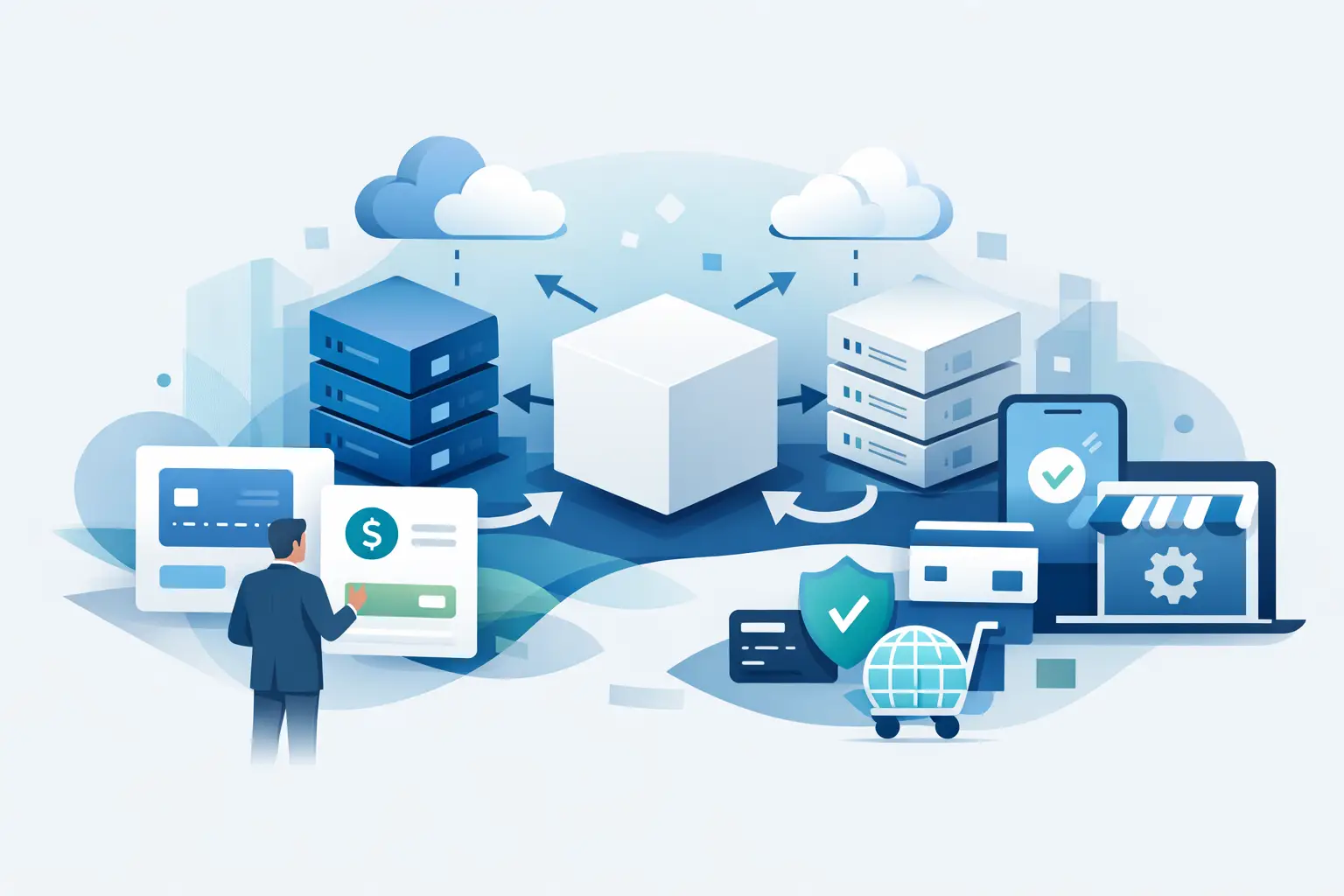
A white-label deployment is only valuable when it replaces meaningful infrastructure work. The right platform should unify payment acceptance, merchant operations, risk, settlements, and reporting in one environment rather than forcing teams to assemble another fragmented stack.
At minimum, a PSP should expect access to a single API for multiple payment providers and methods, plus a branded back office for daily operations. This lets technical teams integrate once while commercial and operations teams manage the service without relying on engineering for every configuration change.
Payment orchestration and intelligent routing
The first requirement is provider orchestration. A PSP serving multiple countries cannot depend on one acquirer or one local method. Approval rates change by issuer, geography, card type, transaction pattern, and provider uptime. A routing engine should direct transactions to the most appropriate available provider and provide fallback logic when an approval path degrades.
That capability protects revenue. If a payment provider experiences latency, elevated declines, or a regional outage, the platform should enable routing decisions that reduce avoidable failures. For a PSP, orchestration is not merely technical convenience. It is a margin and retention function.
A platform with access to 75+ providers and 250+ payment methods gives a PSP a faster path to cards, bank transfers, mobile wallets, alternative payment methods, and crypto rails. The value is especially clear when entering markets where local methods are a condition of conversion, not an optional extra.
Merchant management and branded operations
A white-label product should make the PSP visible to its merchants at every meaningful touchpoint. That includes the merchant portal, onboarding flows, API documentation environment, payment pages where applicable, notifications, reporting, and support communications.
The PSP also needs internal tools to create merchant accounts, assign payment methods, set transaction limits, configure pricing, establish reserves, manage user permissions, and monitor portfolio health. Without these controls, the business is still dependent on manual spreadsheets and vendor support tickets - neither scales well under transaction volume.
Branding has a commercial function beyond appearance. Merchants should see the PSP as the accountable payment partner. That creates room for the PSP to package vertical-specific services, differentiate its pricing, and protect the customer relationship as it expands.
Risk, chargebacks, and fraud intelligence
For many PSPs, risk is the deciding factor. A platform that processes payments but leaves fraud decisions, chargeback workflows, and dispute evidence outside the operating environment creates expensive blind spots.
High-risk merchants need configurable fraud rules, real-time monitoring, velocity controls, device and behavioral signals where available, transaction screening, and clear case-management workflows. iGaming adds further complexity because bonus abuse, account sharing, first-party fraud, and chargeback patterns can damage profitability quickly.
Shared fraud intelligence can improve detection when it is applied with appropriate tenant isolation, data governance, and security controls. The PSP should be able to use network-level pattern recognition while protecting merchant data and maintaining clear responsibility for its own risk policy. No fraud system eliminates losses, but better signals and faster intervention can reduce exposure before disputes mature.
Settlement, reconciliation, and finance controls
Payment acceptance is only half the job. PSPs also need confidence in what was authorized, captured, settled, refunded, reversed, charged back, and paid out. A white-label platform should centralize transaction records across providers and produce reporting that finance and operations teams can act on.
Settlement workflows must reflect the PSP's commercial model. Some businesses require merchant balances, rolling reserves, delayed payouts, multi-currency reporting, provider fee visibility, or approval paths for manual payouts. Others need daily reconciliation across a large portfolio. These requirements should be evaluated before launch, not after the first major merchant goes live.
Where White-Label Infrastructure Fits Best
White-label infrastructure is particularly effective in three situations. First, a new PSP needs to launch quickly but wants a branded product rather than a referral arrangement. Second, an established payment business has outgrown a single-provider setup and needs orchestration, broader method coverage, and stronger operational tooling. Third, a vertical specialist needs payment workflows shaped around its risk profile, geographies, and merchant needs.
It is not automatically the best answer for every company. A global PSP with a mature engineering organization, proprietary acquiring relationships, and highly unusual processing logic may choose to build selected components internally. Even then, it may use external white-label modules for methods, routing, fraud, or merchant operations where building offers little strategic advantage.
The practical question is not whether a PSP can build its own stack. It can. The question is whether that investment produces a better commercial result than deploying an established platform and entering the market sooner.
What PSPs Must Validate Before Signing
White-label does not remove a PSP's regulatory, commercial, or risk obligations. The PSP must determine which licenses, registrations, compliance controls, data protections, and contractual responsibilities apply in each market. Infrastructure can support those processes, but it cannot substitute for legal accountability.
Before selecting a provider, payment leaders should validate five areas: who owns merchant and transaction data; how provider credentials and funds flows are structured; what configuration control the PSP receives; how the platform handles outages, security, and incident response; and whether the provider can support the intended verticals and jurisdictions.
Technical due diligence matters as well. Enterprise teams should ask about API stability, audit logs, role-based access, encryption, tokenization, deployment architecture, uptime practices, monitoring, and scaling methods. A modern stack built around technologies such as .NET 8, React 18, PostgreSQL, Redis, SignalR, Keycloak, Docker, Azure, and Cloudflare can support high-performance operations, but architecture only matters when it translates into measurable availability, operational visibility, and response times.
ZepoPay, for example, positions white-label deployment as a full payment operating environment: a branded platform with provider orchestration, merchant management, risk controls, settlements, and support tooling that can be deployed within 24 hours. For PSPs, that type of model changes the launch plan from a multi-year software project into an operational execution program.
A white-label platform is not a shortcut around building a serious payment business. It is a decision to build the business where value is actually created: merchant acquisition, approval performance, local market coverage, risk discipline, and dependable operations. The strongest PSPs use infrastructure to move faster, then use control to stay competitive.