How to Deploy a Branded Payment Platform
Learn how to deploy a branded payment platform with provider orchestration, risk controls, merchant operations, and global payment methods built in fast.

A payment brand can look credible on launch day and still fail operationally within weeks. The difference is rarely the checkout page. It is the ability to deploy branded payment platform infrastructure that gives your team control over routing, merchant onboarding, fraud decisions, settlements, and provider performance from one operating environment.
For PSP founders, iGaming operators, crypto businesses, forex brokers, and merchant aggregators, building that foundation internally can consume months of engineering effort before the first meaningful transaction is processed. A white-label deployment changes the equation. You launch under your own domain, visual identity, commercial terms, and support model while using payment infrastructure designed for multi-provider operations.
What a Branded Payment Platform Must Actually Control
A branded payment platform is not a reskinned gateway. Branding matters, but enterprise buyers need the commercial and operational layer behind it: merchant accounts, transaction visibility, routing rules, provider connections, risk controls, reconciliation, settlements, and user permissions.
If the platform only changes colors and logos while the infrastructure owner controls merchant relationships, payment configuration, and reporting, you have a referral model, not a payment business. That model may work for a narrow use case. It does not give a growing PSP or operator the control needed to optimize approval rates, add regional methods, or respond quickly when an acquirer changes policy.
The right deployment lets you establish your own market position while centralizing payment operations. Your merchants see your brand. Your operations team works in your environment. Your commercial policies, onboarding flow, fee logic, and support process can be structured around the markets and verticals you serve.
That distinction becomes decisive in high-volume and high-risk sectors. Online casinos, sportsbooks, crypto exchanges, and forex brokers do not need a generic checkout integration. They need payment infrastructure that can manage changing provider availability, elevated fraud pressure, local payout expectations, and merchant-level risk exposure without forcing teams to stitch together separate systems.
How to Deploy a Branded Payment Platform in 24 Hours
A 24-hour deployment is realistic when the core payment stack is already production-ready. It is not a claim that every provider contract, compliance review, or custom integration can be completed in a day. Those timelines depend on your target jurisdictions, merchant profile, acquiring arrangements, and the payment methods you intend to activate.
The platform deployment itself should be fast because the underlying services are already in place. The objective is to configure a commercial operating environment, not build payment orchestration from zero.
Start with the operating model
Before configuring providers, define what your business will own. Will you onboard merchants directly? Will you serve one operator group, or operate as a multi-merchant PSP? Are you settling funds to merchants, routing transactions to their existing accounts, or combining both models?
These decisions shape user roles, merchant hierarchy, settlement workflows, reporting requirements, and risk ownership. A crypto exchange may need separate flows for card deposits, bank transfers, and digital asset-related payment activity. An iGaming operator may prioritize local deposit methods, rapid withdrawals, velocity controls, and chargeback evidence workflows. The deployment should reflect those realities from the beginning.
Apply brand and domain configuration
Your platform should launch on your domain with your visual identity, legal documentation, merchant-facing language, and support structure. This is more than design work. Domain configuration, access policies, notification templates, and portal permissions affect how merchants experience your company from their first login.
A white-label platform should also support product-level differentiation. One operator may want a controlled merchant portal for internal teams. A PSP may need independent merchant access with configurable reporting, API credentials, and transaction controls. The same core infrastructure can support both, but the access model should not be an afterthought.
Connect providers and payment methods
Provider orchestration is where a branded platform earns its value. Rather than asking engineering teams to maintain separate integrations for every acquirer, wallet, bank rail, and alternative payment method, connect these services through one API and manage them through one operational layer.
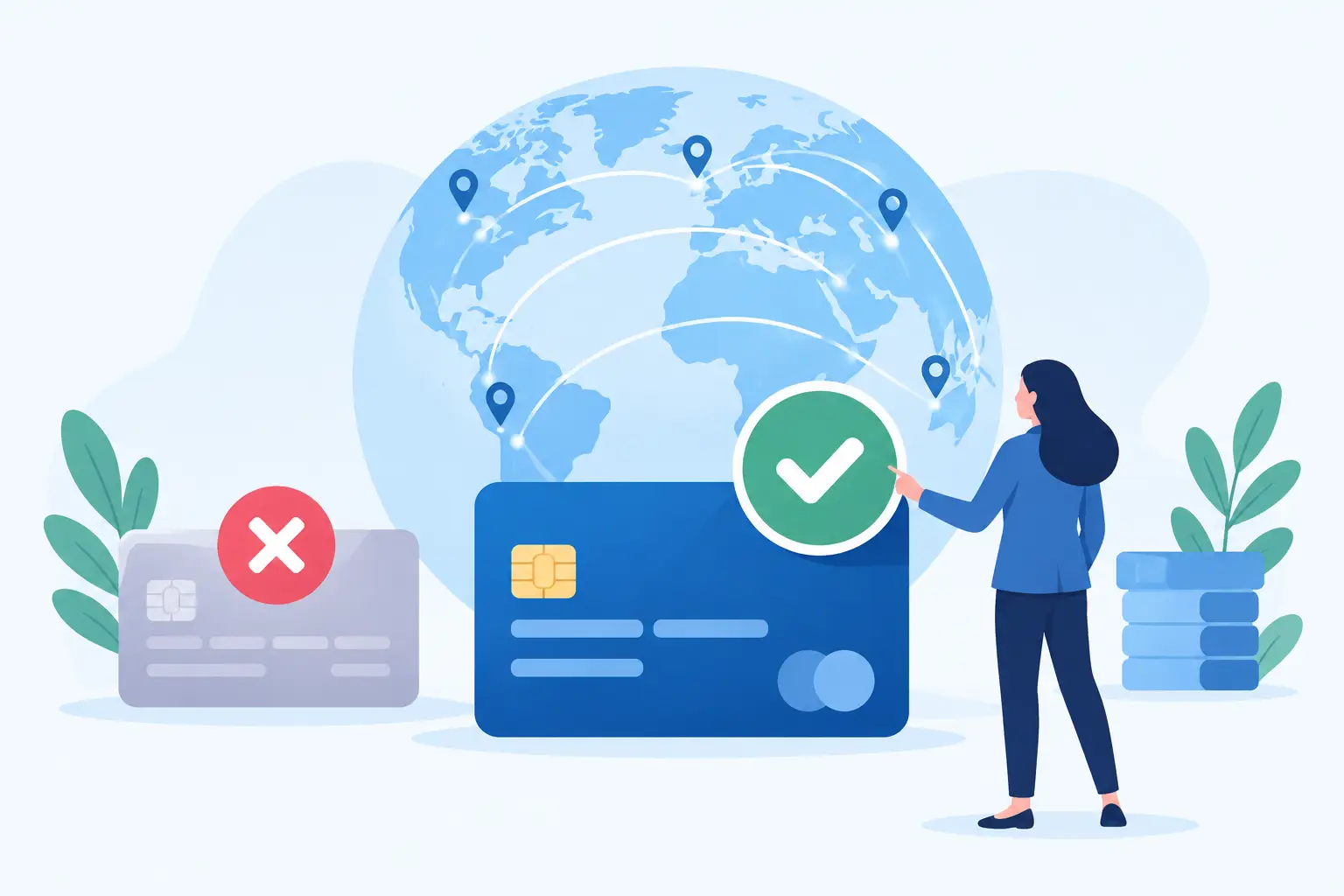
A mature payment stack can unite 75+ payment providers and 250+ payment methods across cards, bank transfers, mobile wallets, alternative payment methods, and cryptocurrencies. That coverage gives your team options, but options only improve performance when they are organized by market, transaction type, merchant category, and risk profile.
For example, a card transaction from a player in one market may route to a different provider than a bank transfer from a customer in another. Deposit and payout flows may require different routing priorities. A method with strong conversion can still be a poor choice if settlement timing, decline patterns, or fraud losses make it commercially unworkable.
Configure routing, risk, and fallback logic
Static routing leaves revenue exposed. Providers experience outages, issuer behavior changes, capacity constraints, and regional performance variation. Routing should use live operational criteria rather than a fixed provider order.
Set rules around provider availability, currency, country, BIN data, transaction value, merchant segment, approval performance, and risk signals. Build intelligent fallback paths for approved transaction scenarios so a payment can be retried through an appropriate alternative route when the primary route fails. Fallback must be controlled, however. Excessive retries can increase costs, create duplicate-payment risk, and damage issuer trust.
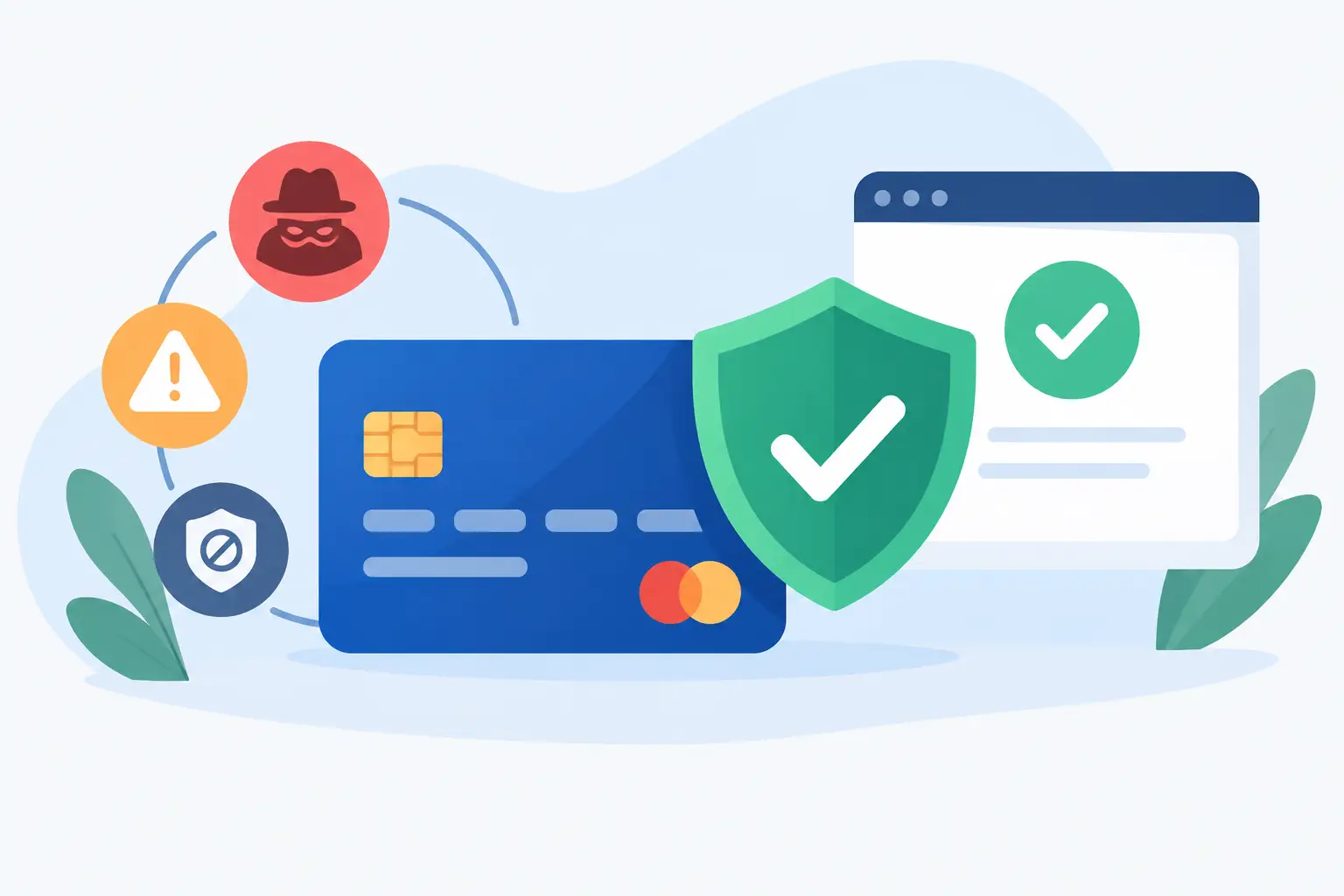
Risk logic should be equally specific. Generic fraud scoring is useful, but high-risk verticals need controls built around their transaction behavior. In iGaming, that can include deposit velocity, bonus-abuse patterns, linked-account indicators, device signals, withdrawal anomalies, and chargeback intelligence shared across relevant payment activity. The goal is not to block more transactions. It is to stop harmful activity while preserving legitimate conversion.
Establish settlement and reconciliation ownership
Payment acceptance is only one part of the business. Your finance and operations teams need to know which transactions settled, which are pending, which failed after authorization, what fees were applied, and where funds are held.
A branded platform should give your team merchant-level and provider-level reporting, transaction lifecycle visibility, configurable settlement workflows, and exportable financial data. Reconciliation becomes particularly complex when you support multiple currencies, providers, payout methods, and merchants across regions. Centralizing those workflows reduces the manual effort that often appears after launch, when transaction volume is already rising.
The Technology Layer Behind Reliable Payment Operations
A payment platform is operational infrastructure, so architecture matters. It should support fast merchant-facing experiences without compromising the systems that process transactions and enforce access controls.
A modern stack can combine .NET 8 services, React 18 interfaces, PostgreSQL data storage, Redis for high-speed processing, SignalR for real-time updates, and Keycloak for identity and access management. Containerized deployment with Docker supports consistent environments, while Azure and Cloudflare can provide scalable hosting, traffic protection, and global delivery capabilities.
Technical capability should be evaluated through operational outcomes. Can your team see transaction status in real time? Can routing rules be changed without a release cycle? Can operations staff act on a merchant issue without accessing sensitive engineering systems? Can the platform maintain performance during peak sporting events, market volatility, or campaign-driven volume spikes?
The answer also depends on governance. Give teams the permissions they need, but avoid universal access. Product teams may configure payment experiences. Risk teams may set fraud rules and review cases. Finance teams may manage settlements and reconciliation. Support teams may need transaction visibility without the ability to alter routing or merchant banking details.
Deployment Decisions That Create Problems Later
The fastest route to launch is not always the best route to scale. A provider-heavy configuration can create unnecessary complexity if every merchant receives every method and route by default. Start with the payment options that match your target markets and transaction profiles, then expand based on conversion, cost, and settlement performance.
Avoid treating compliance as a document collection exercise. Your merchant onboarding policy, transaction monitoring, access controls, dispute process, and data handling practices must work together. The specific requirements vary by jurisdiction and vertical, but operational discipline cannot be added after volume arrives.
Do not measure success only by the number of integrated methods. Payment performance should be tracked through approval rates, provider uptime, fraud loss, chargeback ratio, payout speed, settlement accuracy, cost per successful transaction, and merchant support resolution time. These are the numbers that determine whether your branded platform is creating margin or creating operational drag.
Finally, preserve optionality. A platform that ties your growth to one acquirer, one local method, or one fraud vendor may limit short-term setup work, but it can weaken your negotiating position and resilience later. Multi-provider orchestration is valuable because it gives your business room to adapt.
ZepoPay is designed for that operating model: a deployable white-label environment combining provider orchestration, merchant management, settlements, risk controls, and global payment acceptance under your own brand.
A strong launch begins with a clear decision about the payment business you intend to run. Build the control layer first, then let transaction volume prove the model.