iGaming Payment Transformation for Operators
iGaming payment transformation replaces fragmented checkout stacks with routing, local methods, risk controls, and settlement visibility at scale globally.

A declined deposit is not a minor checkout issue for an online casino or sportsbook. It can mean a player never reaches the first wager, a VIP moves to a competitor, or customer support inherits a problem that should have been prevented upstream. iGaming payment transformation is the operational shift from treating payments as a collection of integrations to managing them as a performance system.
For operators, PSPs, and merchant aggregators, that system must do more than accept cards. It must adapt to local payment behavior, preserve approval rates during provider disruption, identify fraud without blocking valuable players, and give finance teams a reliable view of settlements and liabilities. The businesses that win are not necessarily those with the most payment methods on a slide. They are the ones that can control payment performance market by market, transaction by transaction.
Why iGaming Payments Need a Different Operating Model
iGaming payment flows carry pressures that conventional digital commerce does not. Deposit frequency is high, player behavior changes quickly, chargeback exposure is material, and payout speed has a direct effect on trust. Add differing rules across jurisdictions, local banking preferences, card issuer behavior, and bonus-related abuse, and a single processor connection becomes a commercial constraint.
A fragmented stack usually develops in stages. An operator adds a card acquirer for one market, an e-wallet for another, a bank-transfer provider for a third, and separate fraud tooling when loss rates rise. Each decision can be reasonable on its own. Over time, though, the result is disconnected routing logic, inconsistent transaction data, manual reconciliation, and limited visibility into where revenue is being lost.
The transformation is not simply adding more providers. More connections without orchestration can increase operational complexity. The objective is to establish one control layer across providers, payment methods, merchants, risk rules, settlements, and reporting.
iGaming Payment Transformation Starts With Approval Control
Approval rate is one of the clearest payment metrics, but it is often interpreted too narrowly. A decline can originate with issuer policies, acquirer configuration, a failed 3DS flow, poor transaction formatting, velocity controls, a temporary provider outage, or a payment method that does not match player preference. Treating every decline as the same problem leaves revenue on the table.
An orchestration layer makes approval optimization actionable. It can route transactions based on geography, currency, BIN data, payment method, transaction value, historical provider performance, and merchant risk profile. If a specific acquirer underperforms for a card segment or country, traffic can be directed to an alternative path rather than waiting for a support ticket and a manual configuration change.
That does not mean routing should chase approval rate at any cost. Sending every difficult transaction to a more permissive provider can create downstream fraud losses, higher scheme monitoring risk, or unstable processing economics. High-performance routing balances conversion, fraud exposure, cost, and operational resilience. The best route for a low-value returning player may not be the right route for a high-value first-time deposit.
Local Methods Are a Conversion Strategy
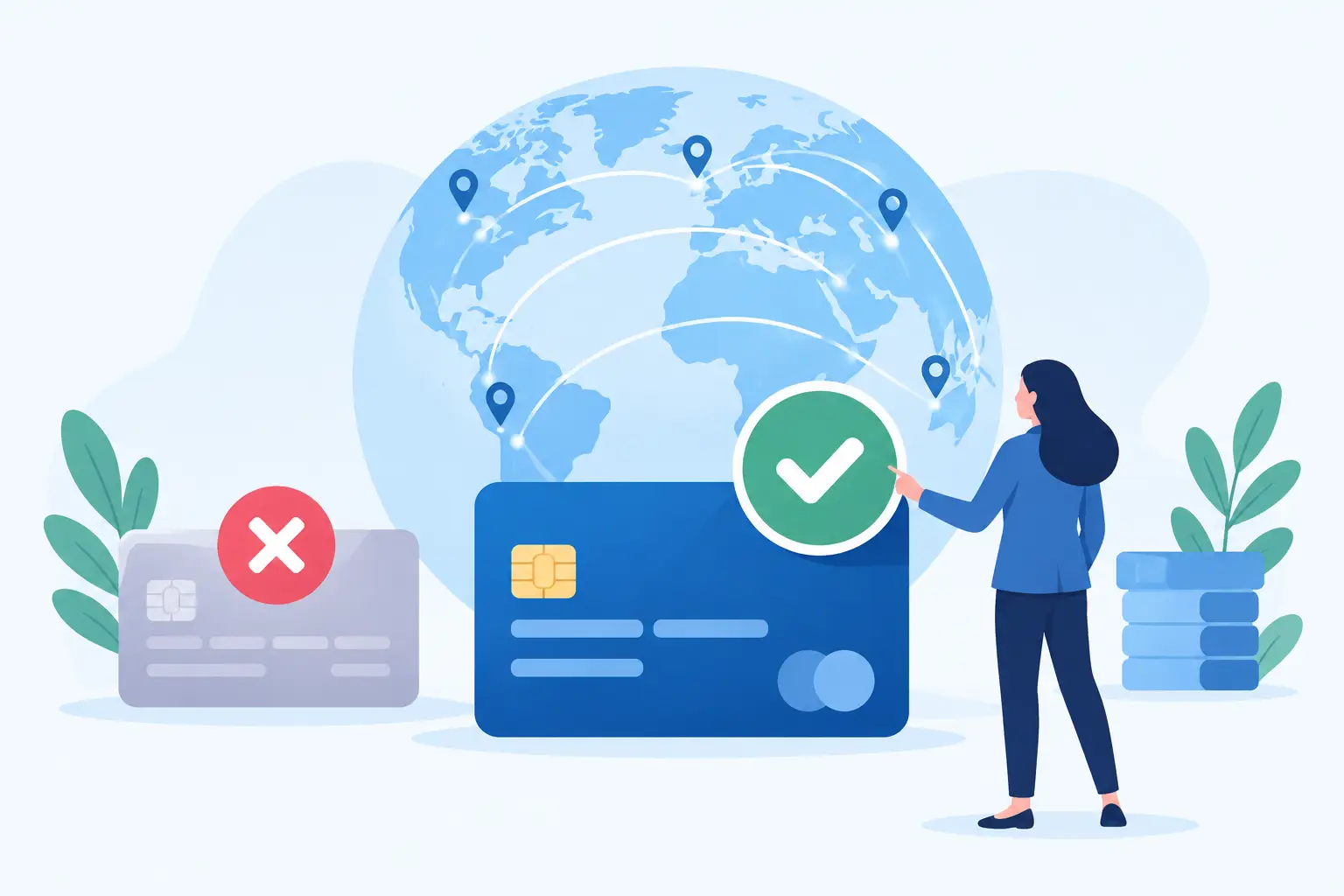
Cards remain important, but they are not a universal answer. In many markets, players expect bank transfers, instant account-to-account payments, mobile wallets, vouchers, or other alternative payment methods. A checkout built around one familiar method can appear broken to a player who simply uses a different local rail.
Local coverage must extend beyond displaying a method at checkout. Operators need the right currency presentation, provider availability, limits, authentication flow, settlement process, and support handling. They also need a payment operations environment that shows which methods drive deposits, which create payout friction, and which generate disproportionate support or fraud events.
A platform that unifies 75+ providers and 250+ payment methods allows businesses to make these choices without rebuilding their payment architecture for each expansion market. The commercial advantage is speed, but the operational advantage is consistency: one set of controls, one merchant environment, and one view of performance across payment rails.
Fraud Prevention Must Protect Deposits and Payouts
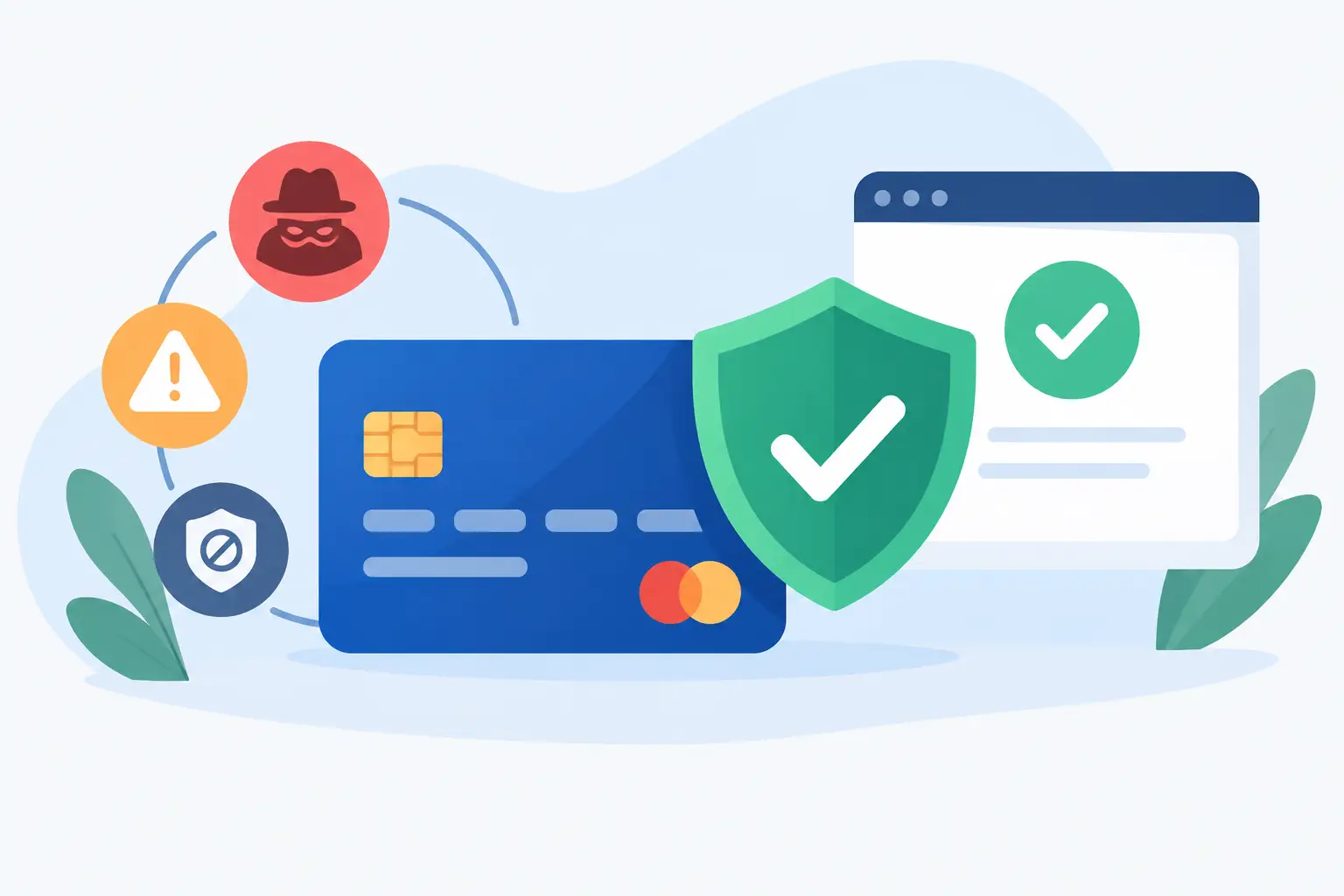
In iGaming, fraud control cannot be reduced to a generic transaction score. Deposit abuse, account takeover, stolen-card activity, friendly fraud, multi-accounting, bonus exploitation, and suspicious payout behavior often connect across multiple events. A rule that looks effective at deposit may create friction for a legitimate player. A weak payout review can turn an earlier fraud signal into a direct loss.
The right model combines real-time decisioning with feedback from chargebacks, disputes, manual reviews, and confirmed fraud outcomes. Shared fraud intelligence can be especially valuable where patterns emerge across merchant portfolios, payment methods, devices, and regions. The goal is not to decline more transactions. It is to reduce loss while allowing known-good players to deposit and withdraw with minimal interruption.
Risk teams need controls that are configurable by merchant, market, method, and player segment. For example, an operator may apply tighter rules to first deposits, specific BIN ranges, rapid deposit attempts, or payout destination changes while preserving a faster path for verified repeat players. These policies need auditability as well. When an issue reaches a compliance, partner, or dispute team, they need to understand what happened and why.
Chargeback Management Belongs in the Core Stack
Chargebacks are often handled as a post-transaction finance process. That is too late. A payment platform should use dispute outcomes to improve routing, fraud rules, merchant monitoring, and customer communication before similar transactions become losses.
This is where vertical specialization matters. iGaming disputes can involve recurring behavior, gameplay claims, payment authorization questions, and player identity issues that do not map cleanly to standard retail workflows. Prevention requires transaction intelligence, operational evidence, and a clear connection between risk events and the underlying payment lifecycle.
Settlement Visibility Is a Growth Requirement
Expansion introduces more currencies, providers, reserve models, settlement schedules, fees, and reconciliation exceptions. Without a central operations layer, finance teams are forced to compare portal exports, bank statements, provider reports, and internal ledger data. The work is slow, but the larger issue is control: leadership cannot reliably see cash position, outstanding liabilities, or the true cost of payment acceptance.
Payment transformation brings these workflows into a single merchant and operations environment. Teams should be able to review transaction status, fee structures, settlement batches, payout activity, provider balances, and exceptions without moving between disconnected systems. Real-time status events are equally important for support teams. When a player asks about a pending deposit or withdrawal, the answer should come from a live transaction record, not an investigation across three vendor dashboards.
The technical foundation matters here. High-volume payment operations require services that can scale independently, preserve event integrity, and recover gracefully from failures. Modern infrastructure built with components such as .NET 8, React 18, PostgreSQL, Redis, SignalR, Docker, Azure, and Cloudflare supports that requirement when it is designed as an operating platform rather than a basic hosted checkout.
Build, Buy, or Launch White Label
The strategic question is not whether payment infrastructure is important. It is whether a business should build every layer itself. Building can make sense for enterprises with a specialized team, a mature regulatory footprint, and enough volume to justify years of integration, risk, security, and operations investment. Even then, maintaining provider connections and local coverage is a permanent commitment.
For payment companies, PSPs, and aggregators entering the market, white-label infrastructure can compress that timeline. A brandable platform lets a business operate under its own domain, visual identity, commercial terms, and merchant model while relying on established payment orchestration and risk capabilities underneath. ZepoPay can be deployed under a client brand within 24 hours, giving teams a path to launch without presenting a third-party checkout identity to merchants or players.
The trade-off is governance. A fast launch is valuable only if the platform supports the routing logic, merchant controls, reporting, support workflows, and security standards required by the business. Buyers should evaluate ownership of data, configuration depth, provider portability, settlement controls, uptime architecture, and the process for adding new methods or markets. White label should mean operational ownership, not a branded surface over a black box.
Measure the Transformation in Operational Outcomes
A payment program should be managed through outcomes that connect directly to revenue and risk. Approval rate should be segmented by provider, issuer, country, payment method, player cohort, and transaction type. Fraud analysis should distinguish prevented loss from unnecessary friction. Settlement reporting should expose timing, fees, reserves, and unresolved exceptions.
It also pays to monitor the less visible metrics: time to add a provider, time to launch a market, support resolution time, failed webhook rates, payout completion time, and the share of reconciliation handled manually. These measures reveal whether the payment stack is enabling growth or creating a larger back-office burden as volume rises.
The practical next step is to map one high-value player journey from deposit through withdrawal, settlement, reconciliation, and dispute handling. Every manual handoff, blind spot, and unnecessary decline in that path is a clear candidate for improvement. That is where payment transformation becomes measurable, commercially defensible, and ready to scale.