Online Casino Payments That Scale Across Markets
Online casino payments need more than card acceptance: routing, local methods, fraud controls, and settlement operations built to scale globally.

A deposit screen can be the highest-leverage page in an online casino. When a preferred payment method is missing, a card issuer declines a legitimate transaction, or verification takes too long, acquisition spend disappears before a player reaches the game lobby. Online casino payments are therefore not a checkout feature. They are a revenue, risk, and market-entry operation.
For operators, PSPs, and payment businesses serving iGaming, the objective is straightforward: approve more legitimate deposits, move payouts predictably, limit fraud and chargebacks, and retain control as volumes and jurisdictions expand. Achieving it requires more than connecting another processor.
Why Online Casino Payments Fail at Scale
A single-provider setup may work in one country, at modest volume, with a narrow player profile. It becomes fragile when an operator adds new regions, currencies, brands, or payment preferences. Card acceptance varies by issuer, geography, merchant category configuration, transaction value, and player behavior. A method that performs well in one market may be irrelevant in the next.
The operational impact is larger than a lower conversion rate. Failed deposits create support tickets. Inconsistent transaction states complicate bonus eligibility and player balances. Delayed withdrawals damage trust, especially when a player has deposited through an instant method but must wait through a manual payout process. Disputes consume risk-team capacity and can threaten acquiring relationships.
The common mistake is treating each new payment connection as an isolated integration. That approach creates a patchwork of provider dashboards, separate reconciliation files, inconsistent decline codes, and fragmented fraud signals. A high-volume iGaming operation needs a payment layer that can make decisions across the full estate rather than merely pass requests from checkout to processor.
The Operating Model Behind Higher Approval Rates
Higher approval rates do not come from routing every payment to the cheapest provider. They come from making the right decision for a given transaction, then measuring the result at provider, method, country, BIN, currency, and risk-segment level.
Build around local payment behavior
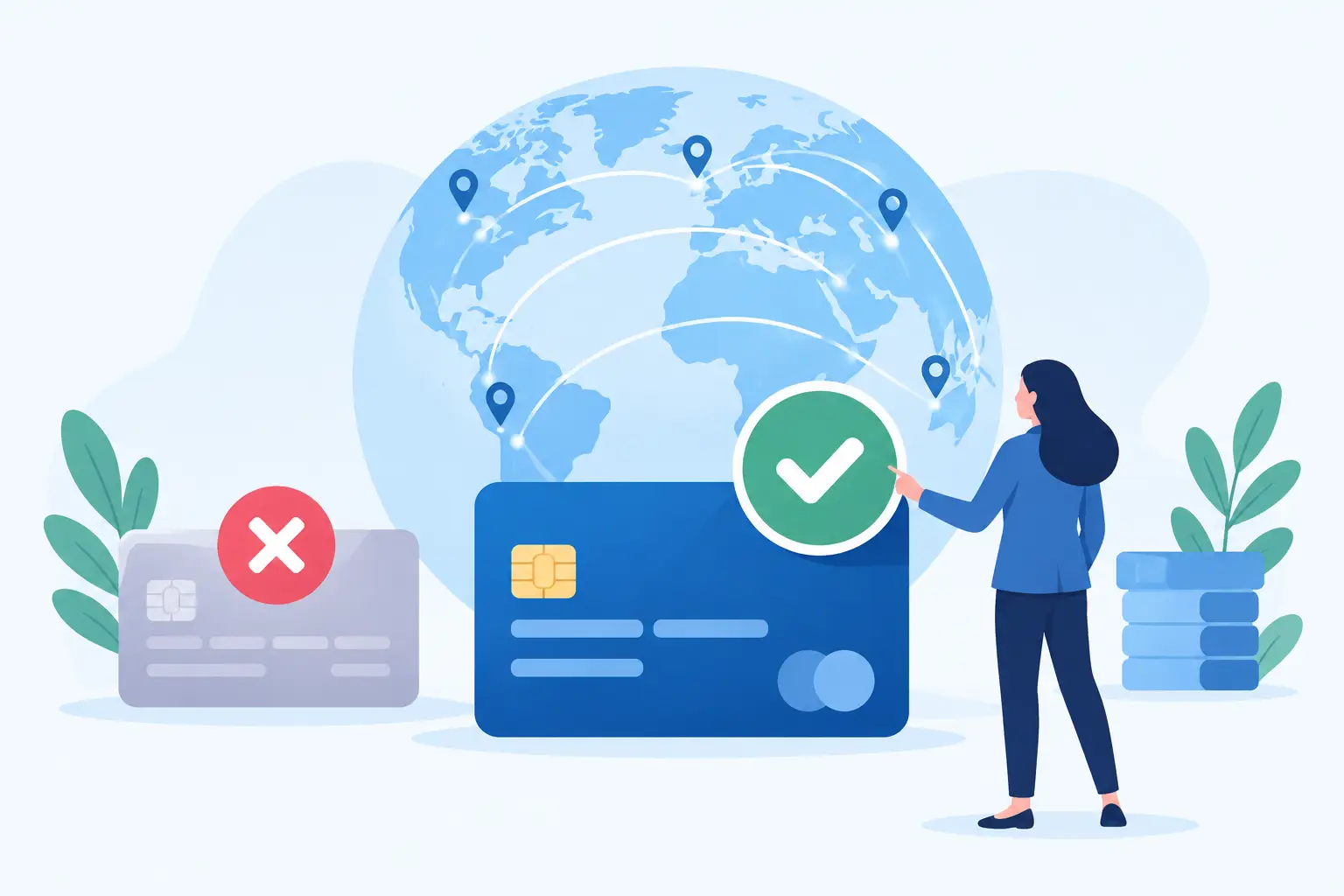
Cards remain essential, but they are not the complete answer to global acceptance. Bank transfers, open-banking flows, mobile wallets, vouchers, and other alternative payment methods can be the preferred deposit rail in specific regions. In some markets, local methods improve conversion because players recognize the flow, trust the brand behind it, and can fund an account without entering card details.
Method coverage must also extend to payouts. Deposit and withdrawal preferences do not always match, and regulatory requirements can constrain how funds are returned. The payment experience should support appropriate payment-method matching, configurable payout rules, and clear exception handling. An instant deposit followed by a confusing withdrawal path is still a poor player experience.
The commercial question is not simply how many methods a platform lists. It is whether teams can activate the relevant methods for each brand, territory, currency, and player segment without launching a separate integration project every time.
Route with intent, not guesswork
Transaction orchestration lets an operator define routing logic based on live performance and business rules. A payment can be directed to the acquirer or PSP most likely to approve it based on its market, card type, amount, historical results, and risk profile. If a route fails for a legitimate technical or issuer-related reason, a controlled fallback path may preserve the deposit opportunity.
That logic must be disciplined. Blind cascading can increase costs, create duplicate authorization risk, and generate avoidable issuer scrutiny. Routing policies need explicit rules for retries, idempotency, response handling, velocity limits, and provider failover. They should also respect card-scheme requirements and local regulatory obligations.
The right infrastructure exposes the data needed to improve those rules. Payment leaders should be able to see whether a decline pattern is concentrated in one issuer range, one provider route, a specific country, or a particular 3DS outcome. Without that visibility, teams optimize based on anecdotes rather than transaction evidence.
Treat payout speed as a retention metric
Deposits get attention because they generate immediate revenue. Payouts determine whether players believe the operation will treat them fairly. Slow processing, unclear verification requests, and mismatched payment methods can trigger complaints long before they become formal disputes.
A mature payout operation separates automated low-risk cases from transactions that genuinely need review. It enforces configurable limits, KYC status checks, source-of-funds controls where required, and withdrawal approval workflows. It also gives operations teams a single view of the player, transaction history, risk indicators, and settlement status.
Speed should never mean bypassing controls. It means eliminating manual work where the decision is clear and escalating only the exceptions that need judgment.
Fraud Prevention Must Understand iGaming
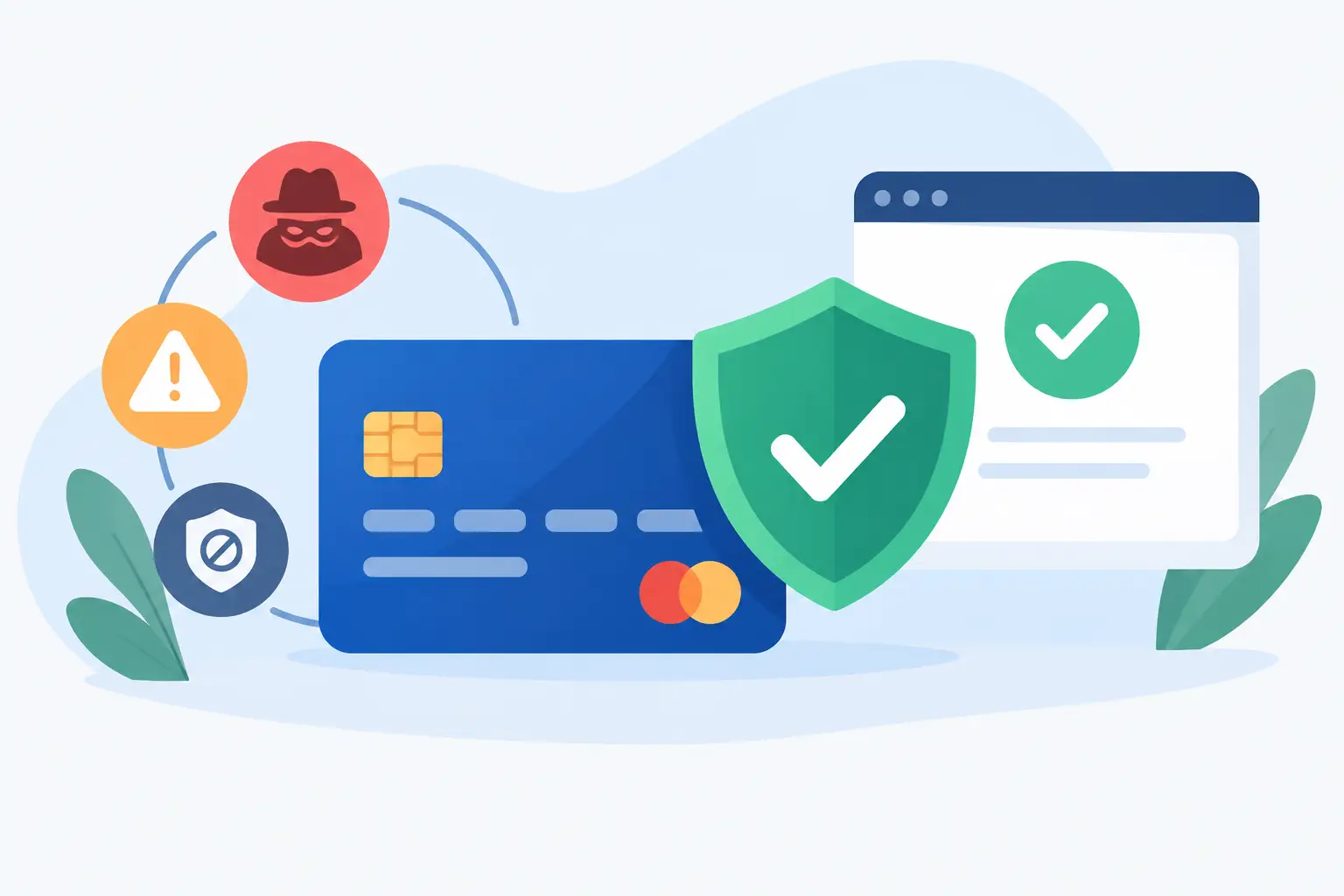
Generic fraud tooling can identify obvious signals, such as device anomalies or repeated card attempts. iGaming risk demands a broader view. The risk team must consider account behavior, deposit velocity, bonus exploitation, multi-account patterns, payment-method changes, chargeback history, and the relationship between deposits, gameplay, and withdrawals.
Chargeback prevention starts before a dispute is filed. Clear descriptors, complete payment records, strong authentication where appropriate, and early warning monitoring all matter. So does the ability to recognize suspicious patterns shared across merchants or brands. A fraud model that only sees one merchant's activity has less context than one informed by cross-network intelligence.
Risk controls should be configurable by market and merchant. A rule suitable for a newly launched brand in a high-fraud corridor may be too restrictive for an established operator with verified, long-term players. The objective is not to reject risk indiscriminately. It is to reduce loss while protecting approval rates for legitimate users.
This is where a unified merchant and risk environment has practical value. Operations teams can review alerts, set transaction rules, handle disputes, and analyze payment performance without switching between disconnected vendor portals. That reduces response time when fraud patterns or provider disruptions emerge.
Settlement and Reconciliation Are Part of the Product
Many payment programs look healthy at checkout and become difficult after the transaction. Finance teams still need to reconcile deposits, refunds, fees, chargebacks, reserves, and payouts across multiple providers and currencies. If settlement data arrives in different formats and on different schedules, close processes turn into spreadsheet work.
Payment infrastructure should normalize transaction states and provider data into a consistent operating model. It should allow teams to trace a player transaction from initiation through authorization, capture, payout, settlement, and any dispute event. This is essential for financial control, but it also helps customer support resolve player issues accurately.
For PSPs and merchant aggregators, settlement controls are also a core product capability. They need to manage merchant balances, fee logic, reserve policies, reports, and operational permissions under their own commercial model. A gateway that accepts payments but cannot support merchant operations is not a complete payments business.
What to Demand From a Payment Infrastructure Partner
The most effective platform evaluation starts with operational requirements, not a feature checklist. Ask how quickly new providers can be activated, how routing rules are configured and audited, and what data is available for approval-rate analysis. Confirm how the platform handles webhooks, duplicate requests, asynchronous payment states, and provider downtime.
Security architecture matters as well. Sensitive access should be governed through role-based permissions, strong identity management, audit trails, and environment separation. At scale, teams also need infrastructure that supports low-latency decisioning, high availability, monitoring, and controlled deployments rather than a gateway that becomes a bottleneck during peak events.
For businesses building their own payment brand, white-label control changes the economics. A deployable platform should support a branded domain, visual identity, merchant terms, operational workflows, and customer-facing experience without requiring years of internal development. ZepoPay, for example, combines 75+ providers and 250+ payment methods in a white-label operating environment designed for iGaming and other high-risk verticals.
The decision still depends on the operating model. A single-market operator may prioritize one strong local acquirer and a focused method mix. A multi-brand group, PSP, or aggregator needs broader orchestration, merchant management, risk controls, and settlement capability from the start. Buying too little infrastructure creates migration pressure later. Buying complexity that no team can operate creates a different problem.
Design Payments Before the Next Market Launch
The strongest payment teams treat every market launch as a repeatable configuration exercise. They define the target payment mix, approval-rate baseline, fraud thresholds, payout policy, settlement requirements, and escalation paths before traffic arrives. They then monitor performance closely enough to adjust routing and risk rules with evidence.
That discipline turns payments from a recurring launch risk into a controlled growth system. The next market should not require a new stack, a new set of dashboards, and a new reconciliation process. It should require the right methods, providers, controls, and local operating rules on infrastructure already built to absorb change.